In today’s fast-paced global economy, efficient logistics and supply chain solutions are vital for businesses involved in international trade. Two essential components that contribute significantly to the seamless movement and storage of goods are freight forwarding and custom bonded warehousing. While both are distinct functions, they work together to ensure that goods move smoothly across borders while staying compliant with regulatory requirements.
Whether you are an importer, exporter, manufacturer, or distributor, understanding these services can help you optimize your supply chain, reduce costs, and improve delivery timelines.
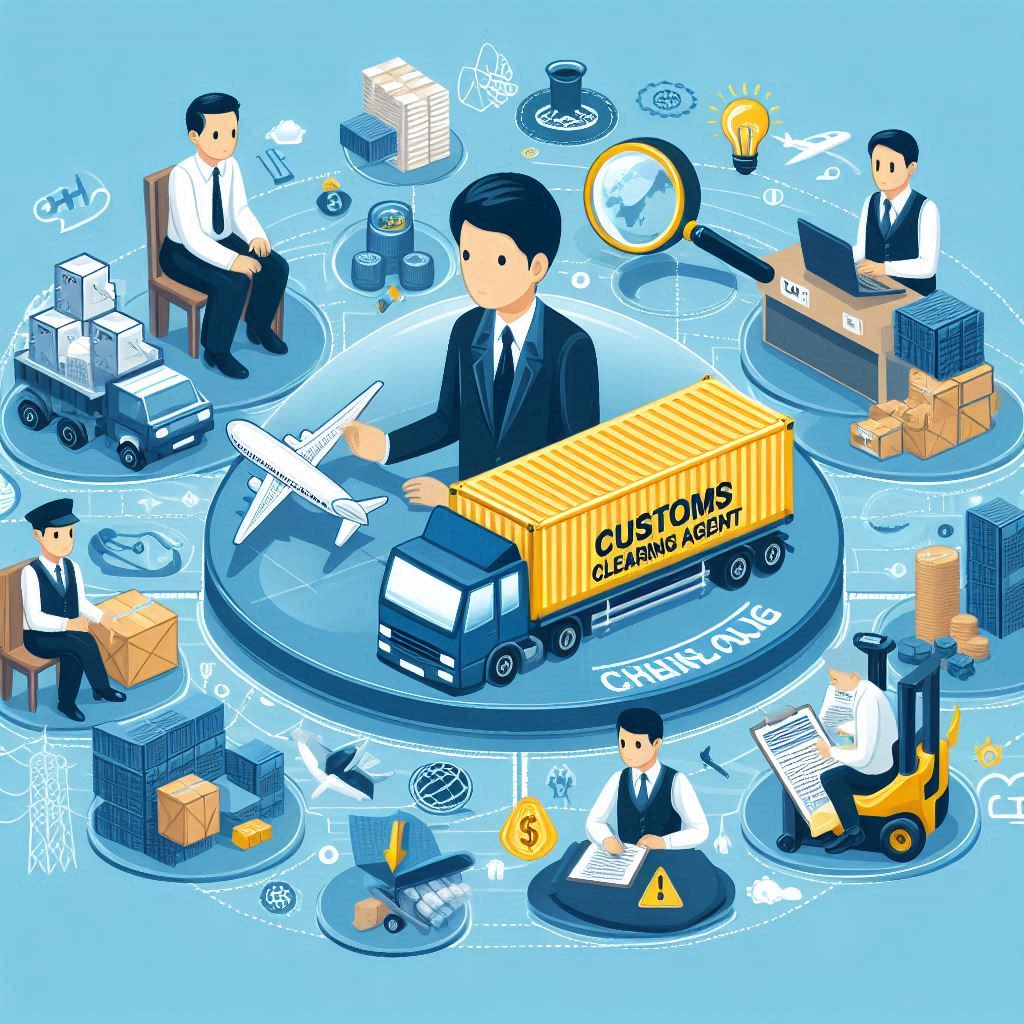
What is Freight Forwarding?
Freight forwarding is the process of cha agent planning and coordinating the shipment of goods from one place to another using multiple transportation methods such as air, sea, rail, or road. Freight forwarders act as intermediaries between the shipper and transportation services, managing the logistics involved in moving cargo across borders.
They don’t typically own transportation assets (like ships or planes) but instead, leverage their network of carriers to move goods efficiently. Freight forwarders offer a wide range of services including:
- Booking cargo space with airlines, shipping lines, and trucking companies
- Route optimization for cost and time efficiency
- Preparing and handling export/import documentation
- Cargo insurance and risk management
- Customs brokerage and clearance
- Real-time shipment tracking and status updates
Hiring a professional freight forwarding partner enables businesses to navigate complex international logistics with ease. Their expertise in documentation, regulations, and international shipping procedures saves time and reduces the risk of shipment delays or customs fines.
What is Custom Bonded Warehousing?
A custom bonded warehouse is a secure facility authorized by customs authorities where imported goods can be stored without paying import duties or taxes until the goods are either cleared for domestic consumption or re-exported. These warehouses are ideal for businesses that import in bulk but don’t plan to distribute their goods immediately.
Custom bonded warehousing provides several advantages:
- Deferred Duty Payments: Businesses can defer payment of import duties until the goods are sold or distributed, improving cash flow.
- Repackaging and Labeling: Goods can be repackaged, labeled, or even modified before being re-exported or sold domestically.
- Storage of Restricted Goods: Some items that need special permits or documentation can be safely stored until approvals are obtained.
- Global Distribution Flexibility: Importers can store goods and decide later whether to distribute domestically or re-export based on market demand.
Custom bonded warehouses are highly secure, equipped with surveillance systems, and monitored by customs officials to ensure compliance.
Why Are Freight Forwarding and Bonded Warehousing Important Together?
When combined, freight forwarding and bonded warehousing create a powerful logistics solution. A freight forwarder can manage the shipment of goods from the point of origin to a bonded warehouse, where the goods are securely stored until needed. This arrangement offers businesses:
- Flexibility in Distribution: Store goods in a bonded warehouse until the market is ready, then release and distribute them.
- Cost Efficiency: Delay duty and tax payments and minimize storage costs through optimized inventory management.
- Streamlined Customs Process: With customs-cleared goods already in bonded storage, delivery can be executed faster upon order confirmation.
- Inventory Control: Companies can manage stock levels better, leading to more efficient supply chain operations.
How to Choose the Right Service Provider
If your business requires both international shipping and storage, it’s essential to choose a logistics partner that offers integrated freight forwarding and bonded warehousing services. Here’s what to look for:
- Licensing and Compliance: Ensure the provider is licensed by relevant customs authorities and follows global logistics standards.
- Experience and Reputation: Work with companies that have a track record in international freight handling and bonded warehouse operations.
- Technology and Visibility: Choose a provider offering digital tracking, inventory management systems, and automated reporting.
- Customized Solutions: Look for flexibility in terms of shipment volumes, types of cargo, and warehousing duration.
Conclusion
In the competitive world of international trade, businesses must leverage efficient logistics strategies to stay ahead. customs clearing agents ensures your goods reach their destination safely and on time, while custom bonded warehousing offers storage flexibility and financial advantages. When these services work hand in hand, they create a robust logistics backbone that supports global business growth.
 digitaldata
Leave a comment